


Choosing a premium fragrance is a personal decision because perfume interacts with your skin chemistry, environment, and daily routine. A scent that smells impressive on a paper strip or someone else’s skin may develop differently when you wear it yourself.
Exploring the best sample fragrances UK allows you to test a scent before investing in a full-size bottle. You can experience how the fragrance develops, from its opening notes to the final drydown, helping you avoid an expensive mistake.
The £100+ Blind Buy Risk in the UK Retail Market
Premium fragrances often represent a significant investment. Designer and niche perfumes commonly range from around £80 to over £200 for 50ml or 100ml bottles, depending on the brand, ingredients, and positioning.
Buying a fragrance without testing it first creates a blind buy risk. Many shoppers judge perfumes based only on the first few minutes after application, but fragrances are designed to evolve through different stages.
The opening phase usually contains lighter, more volatile ingredients that create the initial impression. After this stage, the heart and base notes develop, revealing deeper elements such as woods, resins, musk, amber, or oud.
Department store environments can also affect fragrance evaluation. Multiple testers, scented products, and surrounding fragrances can create a crowded-smelling environment, making it harder for your nose to identify individual notes accurately. Repeatedly smelling many perfumes in a short period can also lead to olfactory fatigue, where your ability to distinguish scents temporarily decreases.
Using perfume discovery sets UK shoppers can compare fragrances in a controlled environment and understand which scents match their personality, lifestyle, and preferences.

Atmospheric Volatility vs. Real-World Skin Testing
Fragrances contain aromatic compounds that evaporate at different rates. Alcohol-based perfumes, such as many Eau de Parfum (EDP) and Eau de Toilette (EDT) sprays, use ethanol as a carrier, allowing fragrance molecules to disperse quickly when applied.
Oil-based perfume samples and attars behave differently because fragrance compounds are carried in oil-based formulations. These formulations generally evaporate more slowly, creating a closer skin scent experience over an extended period.
Testing fragrance samples before you buy allows you to observe how a perfume performs during real activities. Wear a sample during working hours, outdoor activities, or evening occasions to understand its projection, comfort, and drydown.
For shoppers searching for where to buy authentic perfume samples in the UK, high-quality samples provide a practical way to explore luxury fragrances while making a more informed purchase decision. A small sample investment can help identify a signature scent before spending on a complete bottle.
Fragrance Concentrations, Wear-Time Baselines, and Cost-Per-Wear
Understanding fragrance concentration helps you compare different perfume formats and choose a scent that matches your expectations. The concentration refers to the percentage of aromatic compounds within a fragrance formula, while performance also depends on ingredients, application method, skin type, and environmental conditions.
Luxury fragrances are available in several formats, including Eau de Toilette (EDT), Eau de Parfum (EDP), Parfum / Extrait, concentrated perfume oils, and attars. Each format creates a different balance between projection, longevity, and scent intensity.
Understanding Fragrance Concentration Differences
Eau de Toilette (EDT) typically contains a lower concentration of fragrance compounds and uses an alcohol-based carrier. It often creates a lighter scent profile with moderate projection, making it suitable for daytime wear and warmer conditions.
Eau de Parfum (EDP) contains a higher fragrance concentration than EDT and is one of the most popular luxury fragrance formats. It generally provides stronger presence and longer wear compared with lighter concentrations, although actual performance varies between formulations.
Parfum or Extrait de Parfum contains a higher concentration of aromatic compounds and is designed for a richer fragrance experience. These formulations often focus on depth, smoothness, and a closer scent aura rather than strong projection.
Concentrated perfume oils and attars use oil-based carriers instead of traditional alcohol-heavy formulations. They are commonly associated with a warmer, more intimate scent experience and are popular for traditional fragrance styles, especially oud, musk, amber, and oriental-inspired profiles.
|
Fragrance Type |
Typical Concentration Range |
Carrier Base |
General Wear Profile |
|
Eau de Toilette (EDT) |
Around 5–15% fragrance compounds |
Alcohol and water |
Light to moderate performance |
|
Eau de Parfum (EDP) |
Around 15–20% fragrance compounds |
Alcohol and water |
Moderate to strong performance |
|
Parfum / Extrait |
Around 20–30% fragrance compounds |
Alcohol or oil blends |
Richer and longer-lasting |
|
Concentrated Perfume Oil |
Around 15–25% fragrance compounds |
Oil-based carriers |
Smooth, intimate scent experience |
|
Attar / Pure Perfume Oil |
Higher concentration oil formulations |
Natural or blended oil carriers |
Deep, warm fragrance character |
Performance terms such as sillage, projection, and longevity help describe fragrance behaviour:
-
Longevity refers to how long a fragrance remains noticeable on skin.
-
Projection describes how far the scent radiates from the wearer.
-
Sillage refers to the scent trail left as someone moves.
Cost-Per-Wear: Measuring Real Fragrance Value
The price of a perfume bottle does not always represent its long-term value. A better comparison is the cost of each individual wear.
A simple cost-per-wear calculation can be used:
Cost Per Wear (£) = Total Purchase Price ÷ Estimated Number of Applications
The number of applications depends on bottle size, spray amount, concentration, and how frequently the fragrance needs reapplication.
For example, a lower-priced fragrance that requires multiple applications throughout the day may cost more per use than a concentrated perfume oil that needs fewer applications.
Oil-based perfume samples allow buyers to test this difference before committing to a full-size bottle. A small decant can reveal whether a fragrance maintains its character throughout the day and whether its performance matches your lifestyle.
For UK fragrance enthusiasts exploring buy perfume decants UK options, sampling different formats such as EDP and perfume oil sample sets provides a practical way to compare scent quality, wear experience, and overall value before purchasing a full bottle.
A well-selected sample helps you choose a fragrance based on real performance rather than marketing, packaging, or the first few seconds of the opening notes.
Real Buyer Insights: What Users say about Fragrance Sampling
Fragrance enthusiasts often emphasise one key lesson: testing a perfume properly requires patience. Online fragrance communities, including discussions on platforms such as Reddit r/fragrance and related fragrance forums, frequently recommend sampling before purchasing full bottles, especially for expensive niche and luxury scents.
Sampling allows buyers to understand how a fragrance develops over several hours instead of judging it only from the first impression.
The Failure of Paper Blotter Cards
Paper blotters are useful tools for comparing fragrances quickly, but they cannot fully replicate how a perfume behaves on human skin.
A blotter mainly shows the evaporation pattern of fragrance ingredients in a dry environment. It does not include factors such as skin temperature, natural oils, hydration levels, and body chemistry, which can influence how a fragrance develops.
This difference becomes more noticeable with complex base notes. Ingredients commonly used in deeper fragrance profiles, such as oud, amber, woods, resins, and musk accords, often reveal their character during the later stages of wear.
For this reason, experienced fragrance buyers often recommend applying samples directly to skin and observing the complete fragrance journey, including the opening notes, heart notes, and drydown.
Top 3 Sampling Mistakes Highlighted by Enthusiasts
1. Rubbing Wrists After Application
One common fragrance mistake is rubbing wrists together after applying perfume. This action creates friction and can disturb the natural evaporation process of the fragrance.
Instead, allow the fragrance to dry naturally after spraying or applying an oil sample. This helps you experience the scent progression as intended by the perfumer.
2. Testing Too Many Fragrances at Once
Sampling many perfumes in a short period can make it difficult to identify individual notes. Your sense of smell can temporarily become less sensitive after repeated exposure to different scents.
For a more accurate comparison, test a limited number of fragrances at a time and allow enough time between evaluations.
3. Poor Sample Storage
Fragrance samples should be stored away from excessive heat, direct sunlight, and frequent temperature changes. Light, heat, and air exposure can affect fragrance quality over time.
Keeping sample vials closed and stored in a cool, dark place helps maintain the original character of the perfume.
For shoppers looking for authentic perfume samples in the UK, high-quality decants and sample sets provide a reliable way to explore luxury fragrances without committing to a full bottle immediately. A structured testing approach helps you identify scents that truly match your taste, skin chemistry, and lifestyle.
The Standardised 4-Step Protocol for Testing Fragrance Samples
Testing a fragrance sample properly requires more than a quick spray and a few seconds of smelling. Premium fragrances are designed to evolve over time, with different aromatic layers appearing as the formula interacts with your skin.
A structured testing process helps you understand the complete fragrance profile, including the opening notes, heart notes, and final drydown.
Step 1: Skin Preparation & Basal Hydration
Start with clean, dry skin before applying a fragrance sample. Many fragrance enthusiasts prefer testing after a shower because warm, clean skin provides a consistent surface for evaluation.
Skin hydration can influence fragrance performance. Dry skin may absorb fragrance ingredients faster, while moisturised skin can help slow evaporation.
Apply an unscented moisturiser before testing if your skin is naturally dry. Avoid using scented lotions or products that may interfere with the fragrance profile.
Step 2: Gentle Pulse Point Application
Apply fragrance samples to areas where the skin naturally produces warmth. These areas are known as pulse points and include:
-
Wrists
-
Inner elbows
-
Base of the neck
For spray fragrances, hold the atomiser a short distance away from the skin to allow an even mist distribution.
For oil-based perfume samples, apply a small amount using a rollerball, applicator stick, or clean fingertip. Avoid rubbing the fragrance after application because this can interfere with the natural evaporation process.
Step 3: Timed Phase Evaluation (0 Minutes, 2 Hours, 8+ Hours)
A fragrance changes throughout wear because different ingredients evaporate at different speeds.

0–15 minutes: Opening notes
The first impression comes from lighter, more volatile ingredients. Citrus notes such as bergamot, fresh fruits, and aromatic elements are often noticeable during this stage.
1–2 hours: Heart development
The middle stage reveals the main character of the fragrance. Floral notes, spices, herbs, and richer aromatic materials begin to become more noticeable.
6–12+ hours: Drydown phase
The final stage is where deeper base ingredients become prominent. Woods, amber, musk, vanilla, and oud-style accords often shape the lasting impression of a fragrance.
Testing samples over several hours helps you decide whether a fragrance suits your preferences beyond the initial opening.
Step 4: Environmental Stress Testing
A fragrance should be tested in situations similar to your everyday routine. Wear your sample during different activities to understand how it performs.
Consider testing during:
-
Office hours
-
Outdoor activities
-
Warm and cooler conditions
-
Evening events
Temperature, movement, humidity, and indoor heating can influence how a fragrance develops.
Following this four-step approach helps UK fragrance buyers make confident decisions before purchasing a full bottle. Whether you are exploring perfume discovery sets UK, luxury samples, or concentrated perfume oils, real skin testing provides a clearer understanding of scent quality and personal compatibility.
Sample Packaging: Borosilicate Glass vs Plastic Vials
The quality of a fragrance sample container plays an important role in protecting the perfume inside. A sample should preserve the original scent profile so you can accurately evaluate the fragrance before purchasing a larger bottle.
Premium fragrance samples commonly use glass containers because glass is considered a stable material for storing cosmetic and fragrance formulations.
Why Borosilicate Glass Protects Fragrance Quality
Borosilicate glass is a type of durable glass known for its resistance to thermal stress and chemical interaction. It is widely used in laboratory and cosmetic applications because it provides a stable barrier between the product and the external environment.
For perfume samples, glass helps reduce the risk of unwanted interaction between the container and fragrance formula. This is especially important for complex perfumes containing delicate aromatic compounds.
High-quality sample vials also help protect fragrances from external factors such as:
-
Excessive heat exposure
-
Direct sunlight
-
Repeated air contact
Proper storage helps maintain the original character of fragrance notes, allowing buyers to experience the scent closer to its intended formulation.
Fine-Mist Atomisers vs Oil Sample Applicators
The application method also affects the fragrance testing experience.
Fine-mist atomisers are commonly used for alcohol-based fragrances such as Eau de Parfum (EDP). They distribute a lightweight spray across the skin, helping the fragrance develop naturally across a wider surface area.
A quality atomiser creates a consistent spray pattern, making it easier to judge projection and overall scent performance.
For oil-based perfume samples and attars, rollerballs or glass applicator sticks are often preferred. These formats allow controlled application because perfume oils are usually more concentrated and designed for closer skin wear.
When comparing spray atomisers vs rollerball decants, the better choice depends on the fragrance type:
-
Spray atomisers: Ideal for EDPs and alcohol-based perfumes that benefit from wider scent distribution.
-
Rollerballs or applicators: Suitable for concentrated perfume oils and attars requiring precise application.
For fragrance enthusiasts searching for the best luxury perfume sample sets UK, packaging quality is an important consideration. A well-designed sample container ensures that your testing experience reflects the true fragrance rather than the limitations of poor storage or application methods.
Curated Sample Recommendations: Discover Ammar’s Fragrances (Nottingham)
Finding a signature fragrance becomes easier when you can explore different scent profiles before selecting a full-size bottle. A well-designed sample collection allows fragrance lovers to compare styles, from fresh everyday compositions to deeper oud and amber-inspired creations.
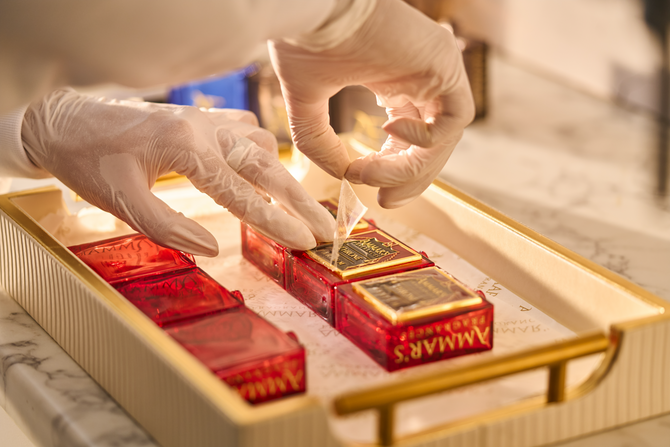
Ammar’s Fragrances offers fragrance sample options that allow customers to explore its perfume oil and parfum collections before choosing their preferred scent. The brand provides sample collections featuring popular fragrances, including White Crystal, Throne, Sweet Dazz, Musk Amar, and Pleasant.
Why Try Ammar’s Samples Before Buying?
A fragrance sample provides a practical way to understand how a scent performs on your own skin. Notes that appear attractive at first impression may develop differently after several hours, making sampling an important step for fragrance buyers.
Ammar’s Fragrances offers sample products, including a 5 Best Seller Samples (Oil) collection, allowing customers to explore multiple scents in a smaller format before choosing a larger bottle.
Customers ordering from Ammar’s Fragrances can also receive complimentary fragrance samples with orders, helping them discover additional scents alongside their purchase. The brand states that free shipping is available on orders over £65.
For UK fragrance enthusiasts searching for best luxury perfume sample sets UK, sampling provides a smarter way to build a collection. Instead of relying only on descriptions or first impressions, you can experience the complete fragrance journey and select scents that genuinely match your style.
FAQs
Why should I try fragrance samples before buying a full bottle?
Many fragrance enthusiasts recommend sampling first because a perfume can smell different on your skin compared with a tester strip. A sample helps you experience the opening notes, heart notes, and drydown before spending on a full-size bottle.
Are perfume decants worth buying in the UK?
Yes. Perfume decants allow you to test luxury and niche fragrances at a lower cost. They are especially useful for expensive perfumes where blind buying a full bottle can be a costly mistake.
How long should I test a fragrance sample before deciding?
Test a fragrance for several hours, ideally through the full drydown phase. Many fragrance communities suggest avoiding decisions based only on the first 10–15 minutes because the opening notes can change significantly.
Why does a fragrance smell different on my skin than on paper?
Paper blotters show the scent profile in a dry environment, but skin temperature, natural oils, and hydration can affect fragrance development. Testing on skin gives a more realistic idea of how the perfume performs.
How many fragrance samples should I test at one time?
Most fragrance enthusiasts recommend testing a few scents at a time. Sampling too many perfumes together can make it harder to identify individual notes due to temporary nose fatigue.
Are perfume oils longer lasting than spray fragrances?
Perfume oils often provide a closer, softer scent experience because they use oil-based carriers that evaporate differently from alcohol-based sprays. Actual longevity depends on the formula, skin type, and environment.
Should I rub my wrists after applying perfume samples?
No. Let the fragrance dry naturally after application. Rubbing can disturb the evaporation process and affect how the fragrance develops.
What is the best way to store perfume sample vials?
Keep samples away from direct sunlight, heat, and frequent temperature changes. A cool, dark storage area helps protect fragrance quality over time.
Where can I buy authentic perfume samples in the UK?
Look for trusted fragrance retailers offering clearly labelled samples, decants, or discovery sets. Authentic samples help you evaluate the real fragrance before purchasing a full bottle.


